The help (2026)
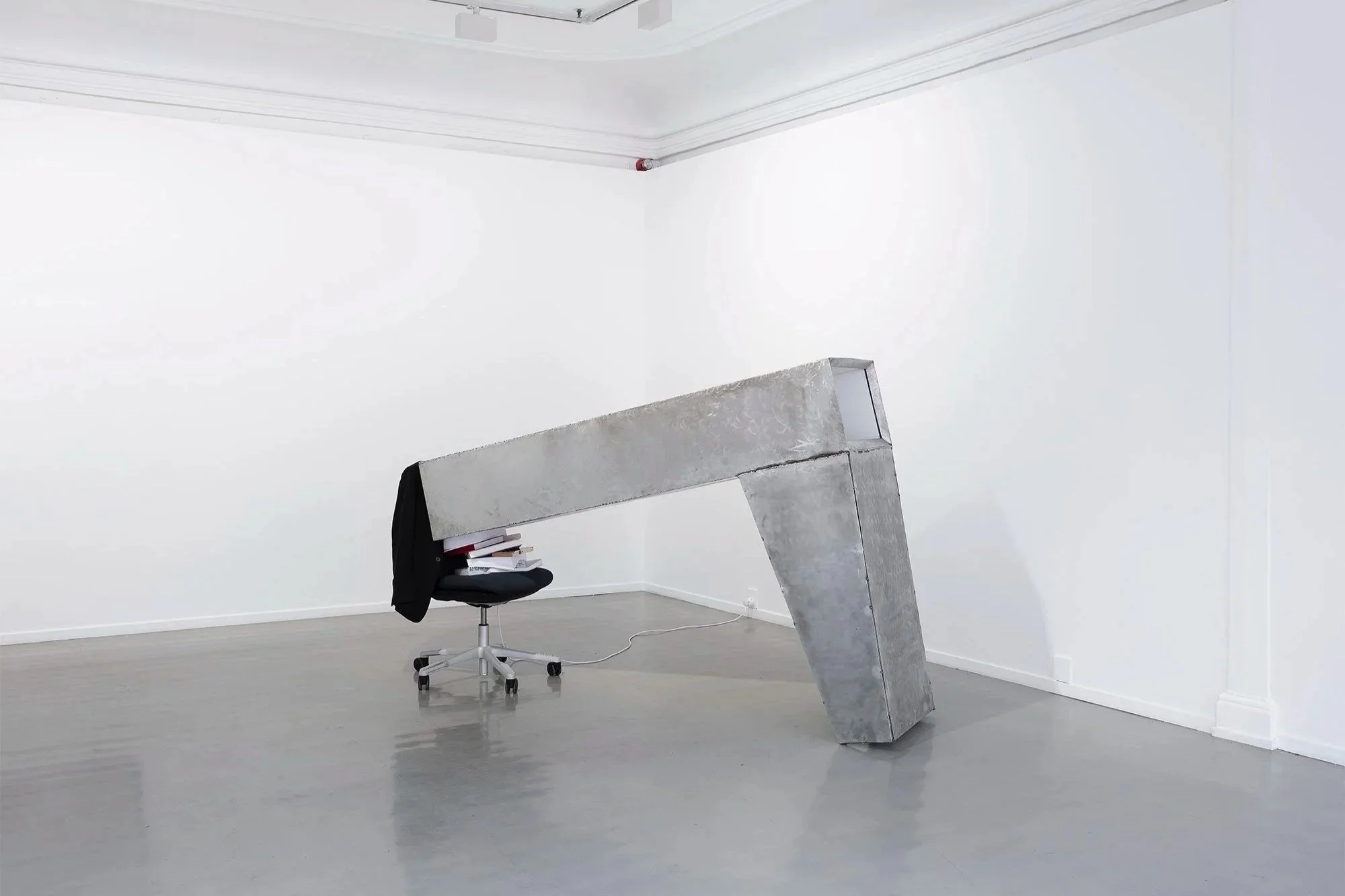
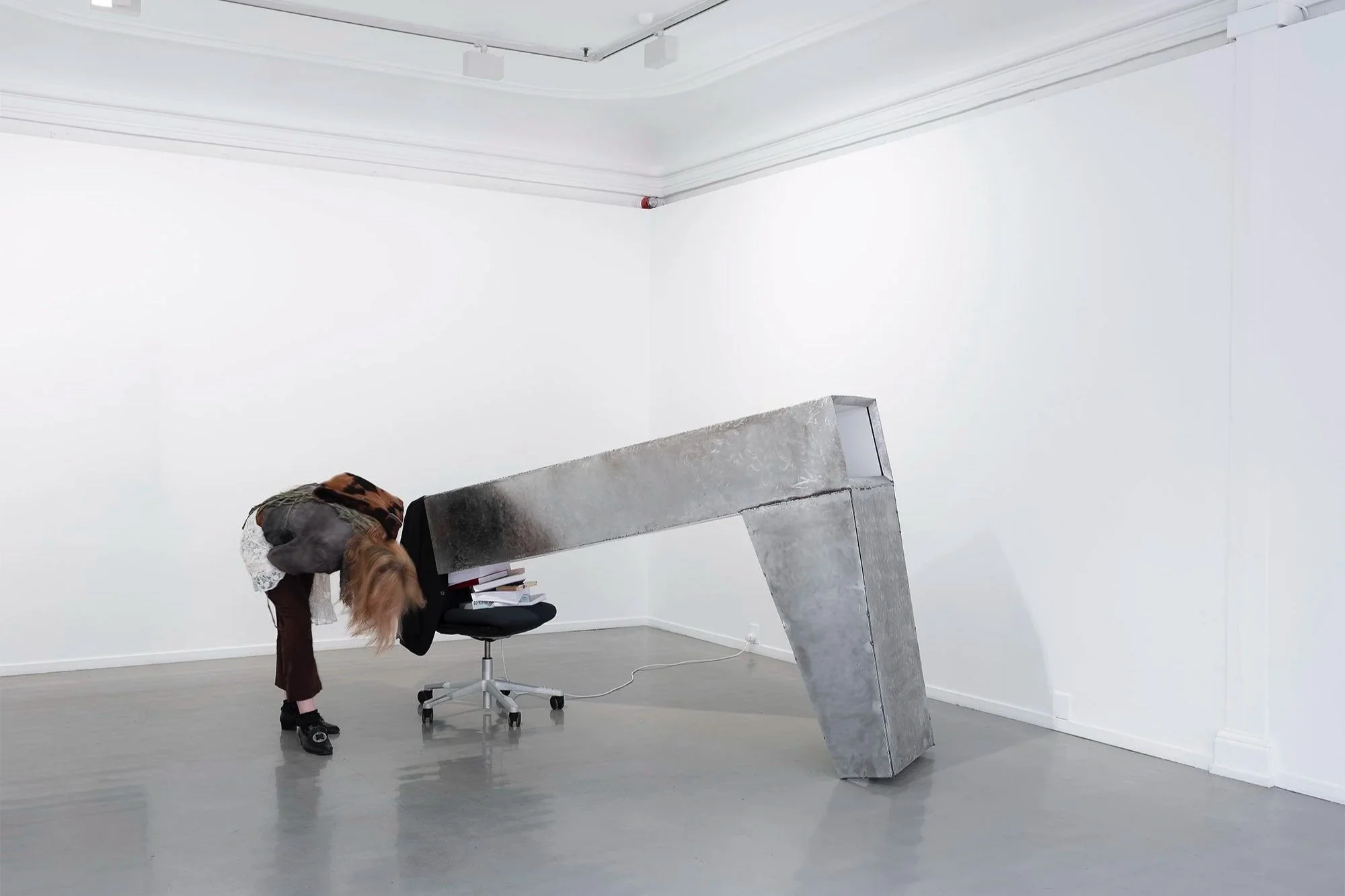
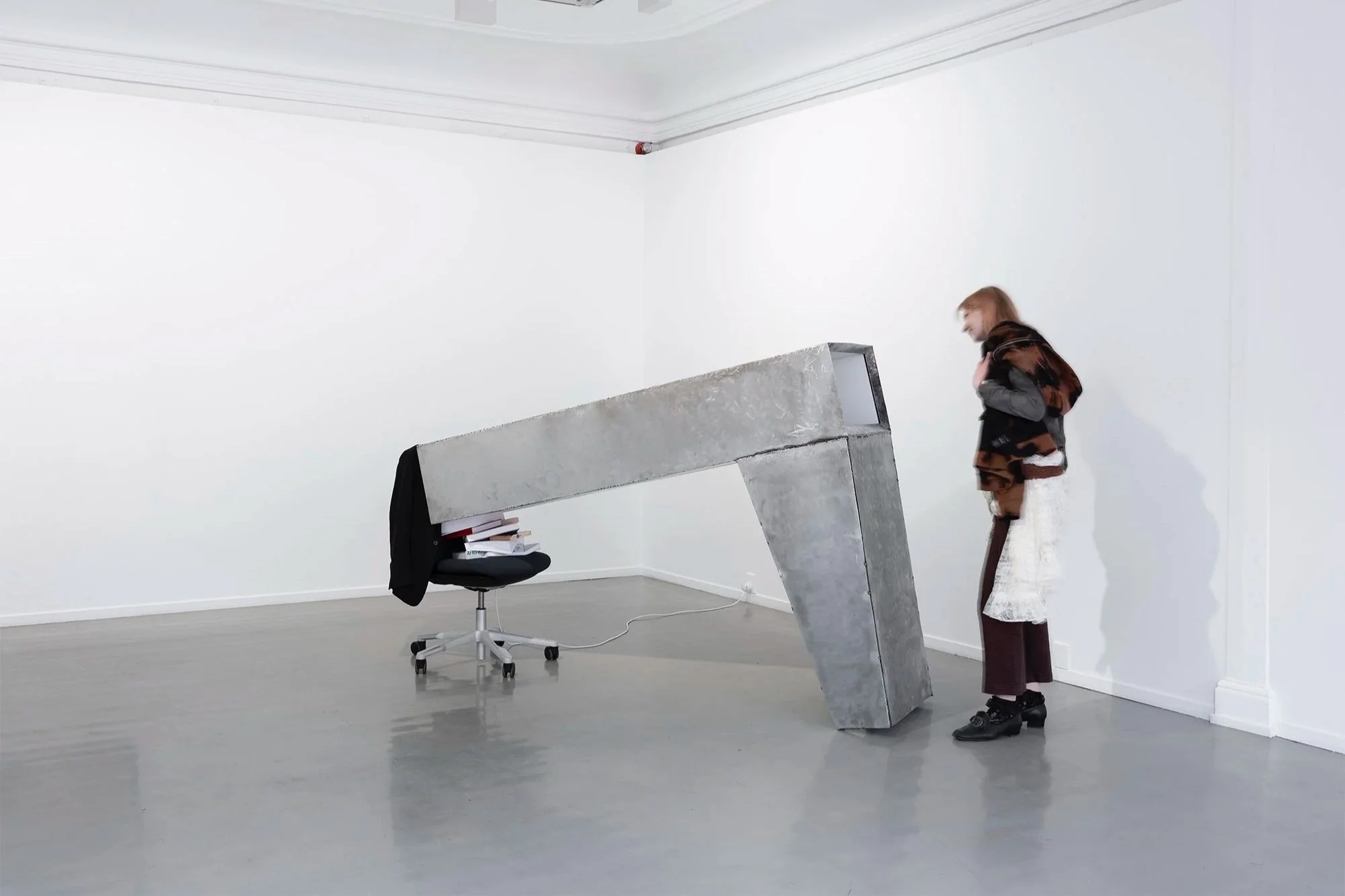
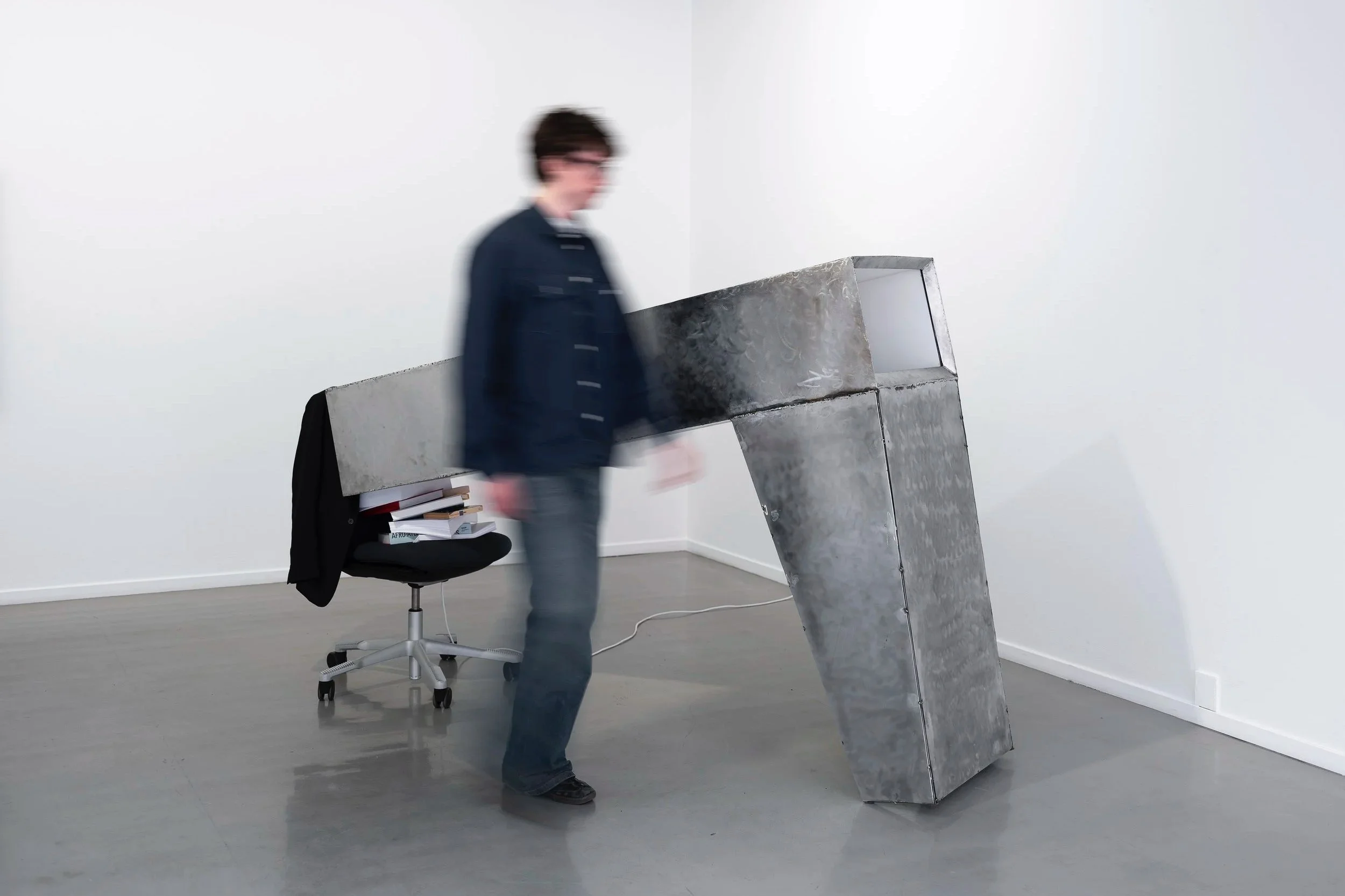
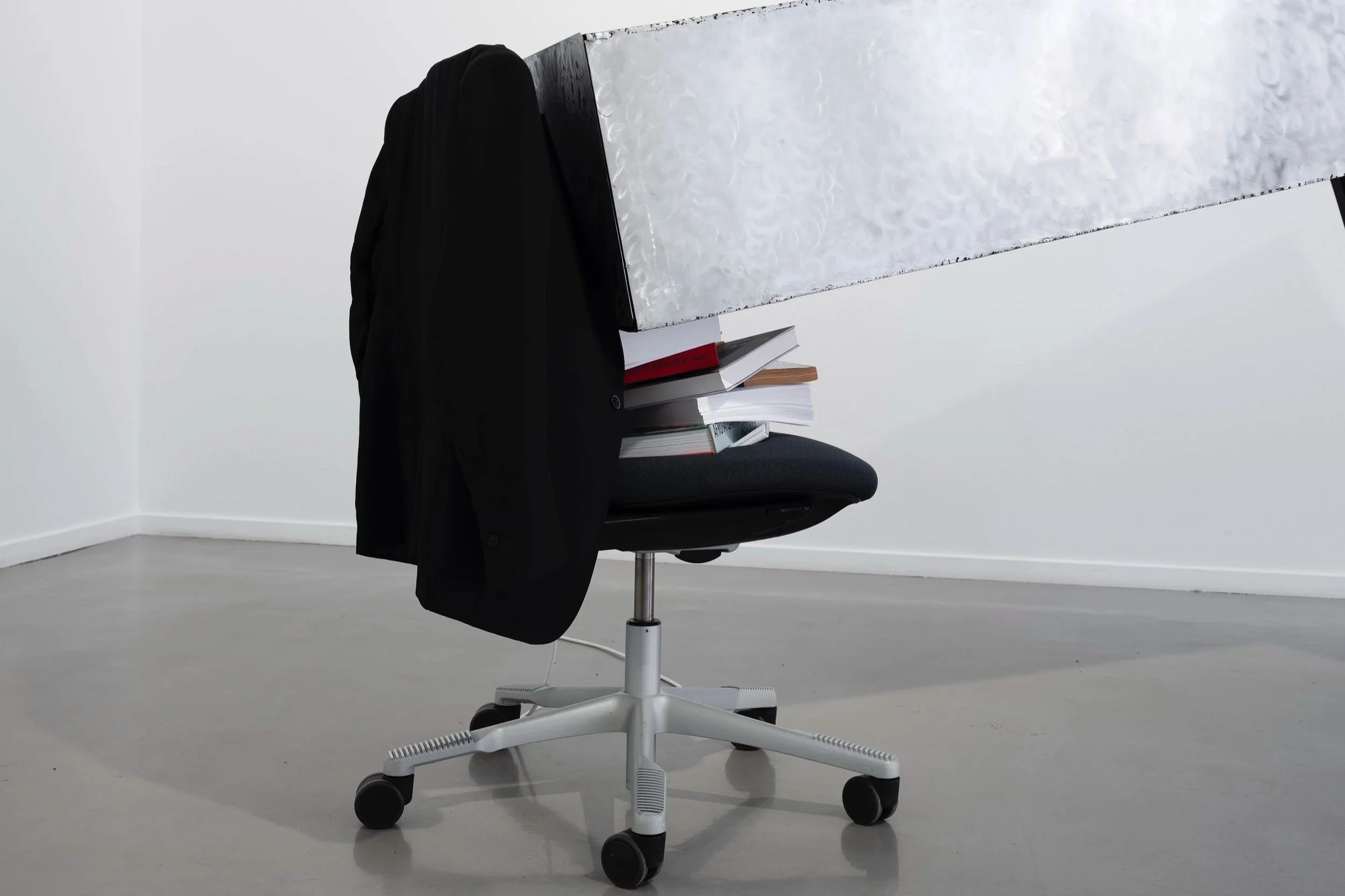
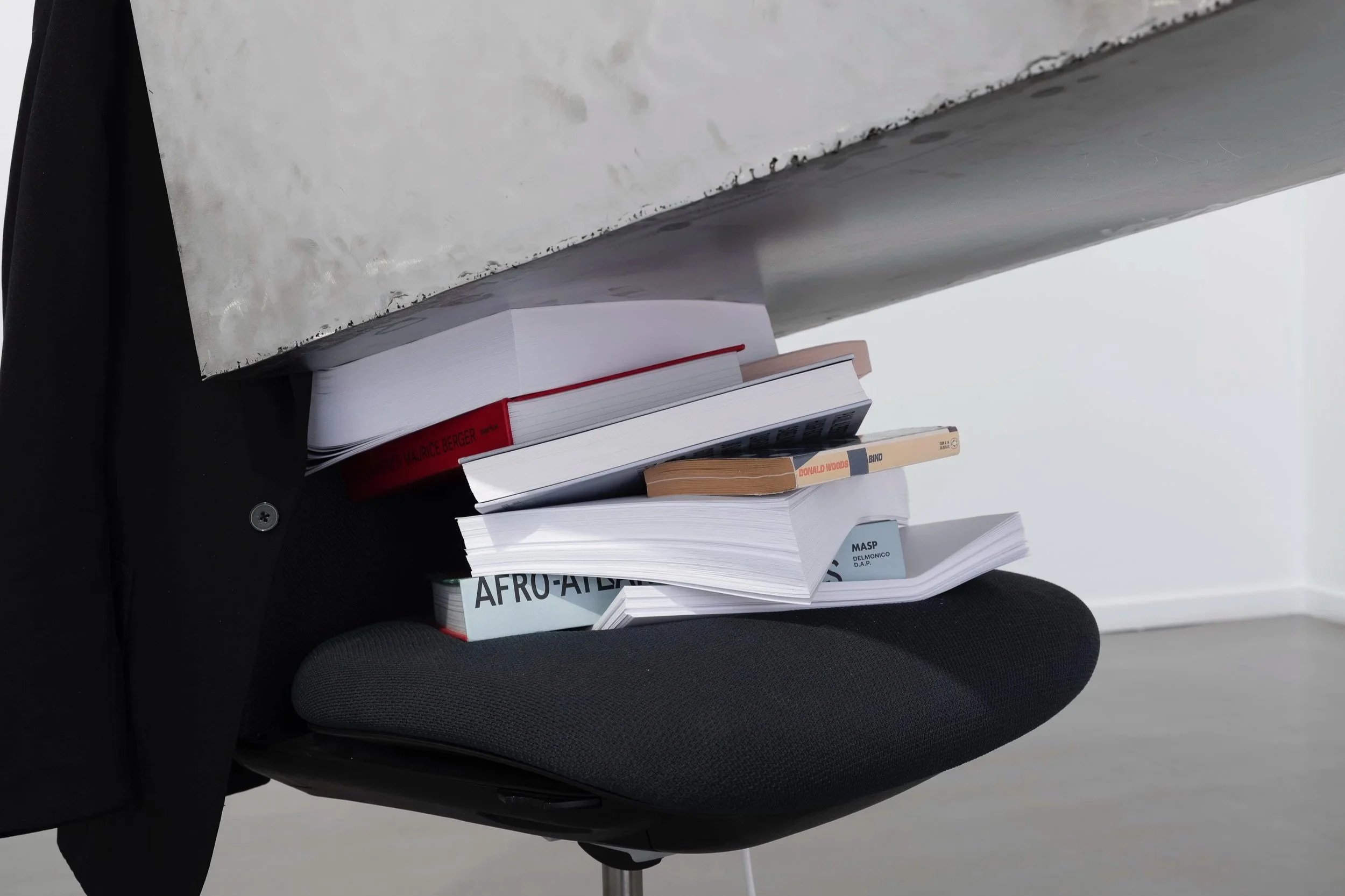
In The Help, Thando Beau Sikawuti brings sculpture, video, and display into a single structure organised around support. A steel form leans against a chair, while books appear to stabilise the space between them. Inside the sculpture, a screen shows a wrestling scene, but also the artist in the role of a cleaner, washing the floor before and after the fight. The work is built from relations of dependence. Nothing here stands entirely on its own, and nothing is simply auxiliary. Each element holds up, frames, or makes possible the others.
That structure is what gives the work its force. The Help does not treat support as a background condition that can be taken for granted. It treats it as labour. The wrestling scene gives visibility to conflict, performance, and display, while the cleaner appears at the edge of the event, carrying out the work that precedes it and remains once it is over. The sculpture extends that relation into material form. Support is present everywhere in the work, but it is unevenly distributed and unevenly recognised. In that sense, Sikawuti does not present help as a benevolent act in the abstract. He shows it as a social position shaped by hierarchy, exposure, and the persistent asymmetry between what is seen and what sustains visibility.
The help (2026)
single-channel video, duration 11:50 min
Direction, cinematography: Thando Sikawuti
Text: Ifrah Osman & Antonio Cotaldo
Sound: Beggs N Acon
For the full preview and screenings, please contact the artist
The help (2026)
The help, installation view, at my BA graduation show at Oslo Kunstforening.
The help is a multimedia sculpture in which a hollow steel structure rests on a stack of books atop an office chair. Inside the sculpture, a film plays, addressing themes of race and class through a scenario where a cleaner tidies up after a fight between two people. There are books supporting the entire structure, yet it is impossible to remove a single one—all of which appear to deal with postcolonial theory—without the whole thing collapsing.
—————————
The help, 2026, video installation sculpture-Steel, wood, video moniter, office chair, jacket, books, paper, W45xH138xL200cm-Video duration 11:50 min
Bread & butter (2026)
Bread & butter(2026)
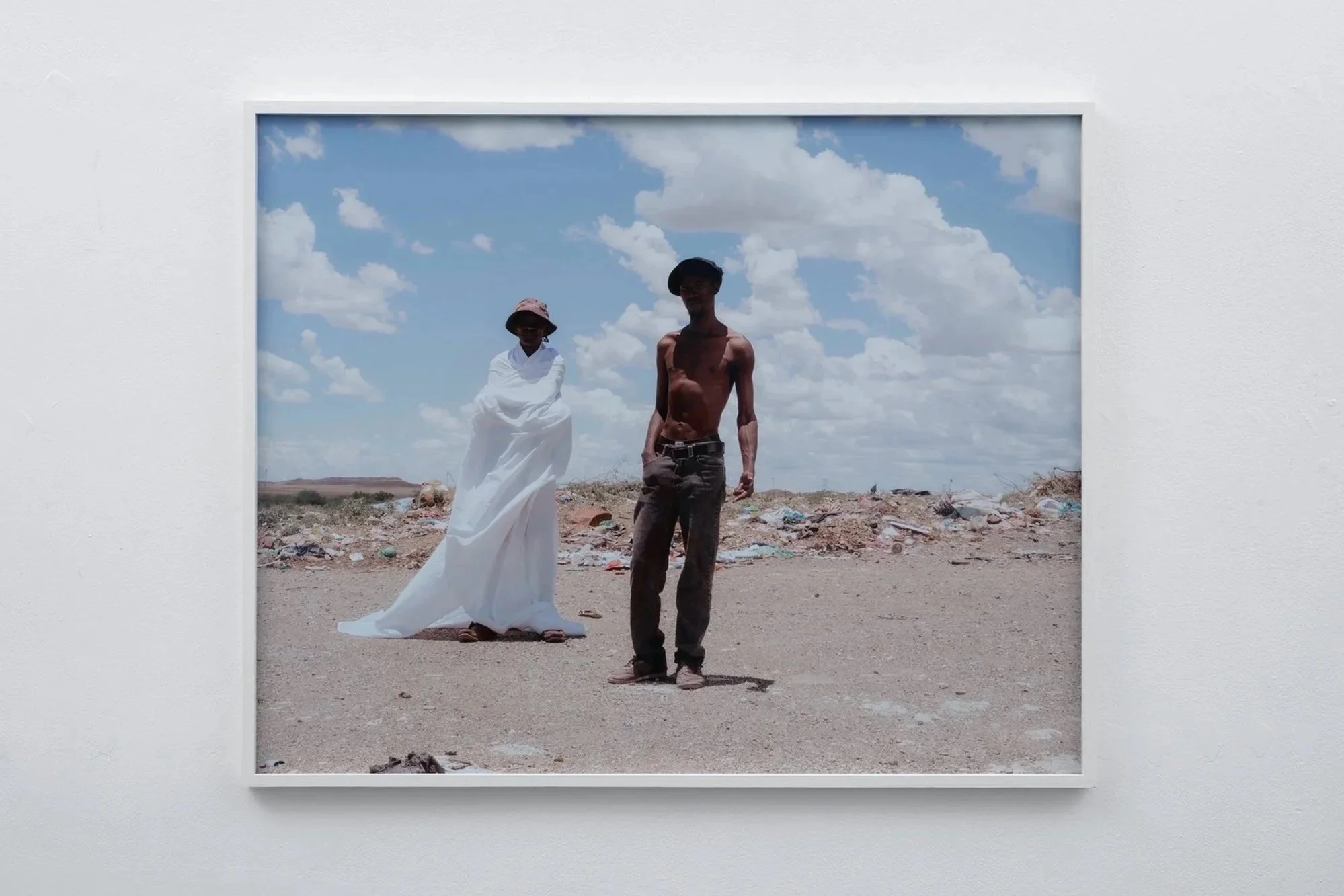
The Bread & Butter photo series was shot in South Africa in 2024 and is shown for the first time in 2026 at White Box Gallery, Kunstakademiet Oslo. The exhibition includes installation, photographs, and sound.
This work critically examines South Africa’s pre- and post-apartheid periods. A critical look at one of South Africa’s most notorious gangs, the Numbers, formed at the start of apartheid. This exhibition was my attempt to show what fear looks like.
———————————
Fear is a compass. It appears when we stray from our path. When something essential calls for attention.
You cannot conquer what you have not understood. How many times has fear returned?
Perhaps stronger than before, even atter you believed you had deteated it. Fear is not a wall to break through. It is not an enemy waiting for destruction. Its element belong to us.
They are threads woven into the fabric of our wholeness. To meet fear is to meet a threshold.
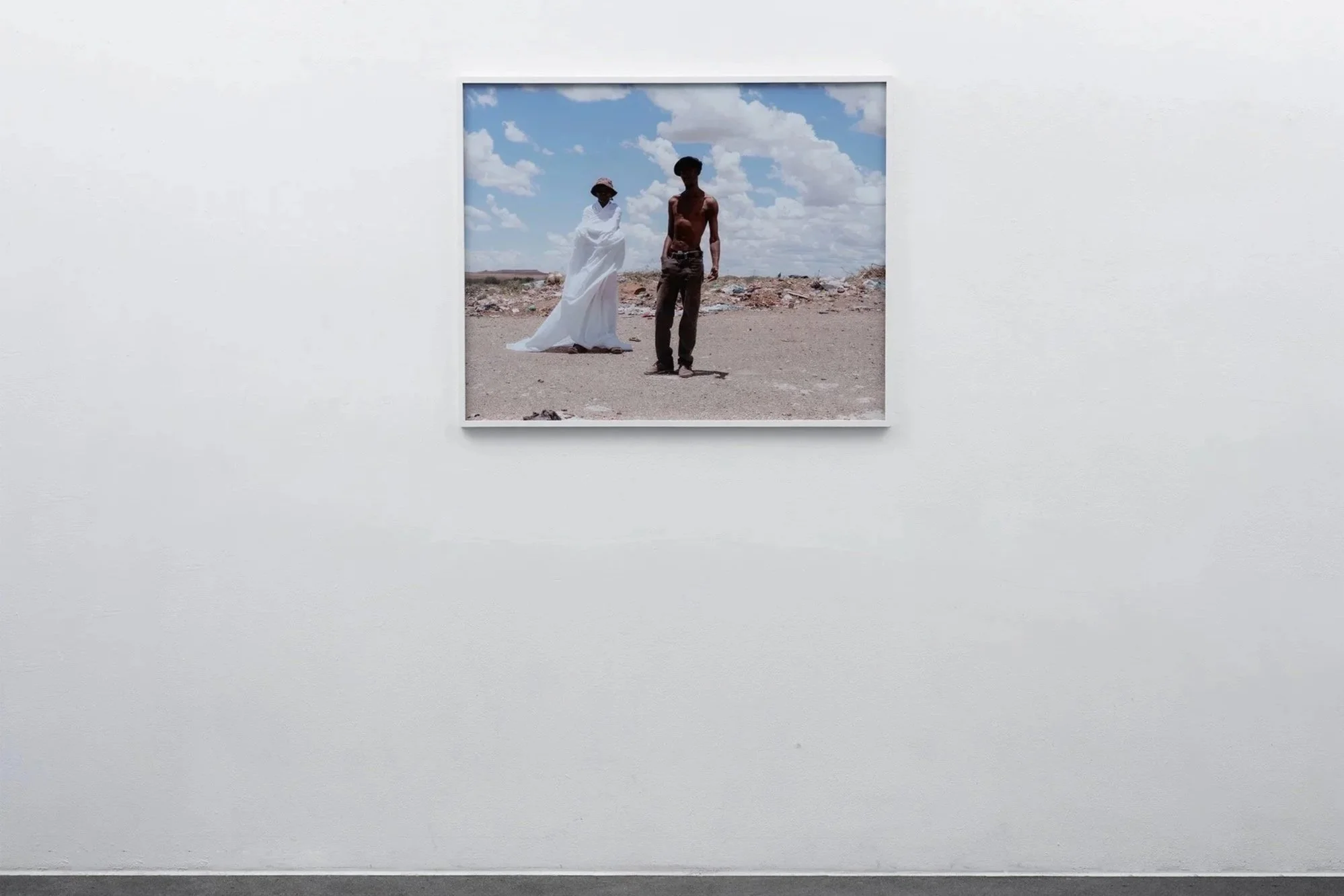
The number, untitled, 2026, photograph - 82x102cm
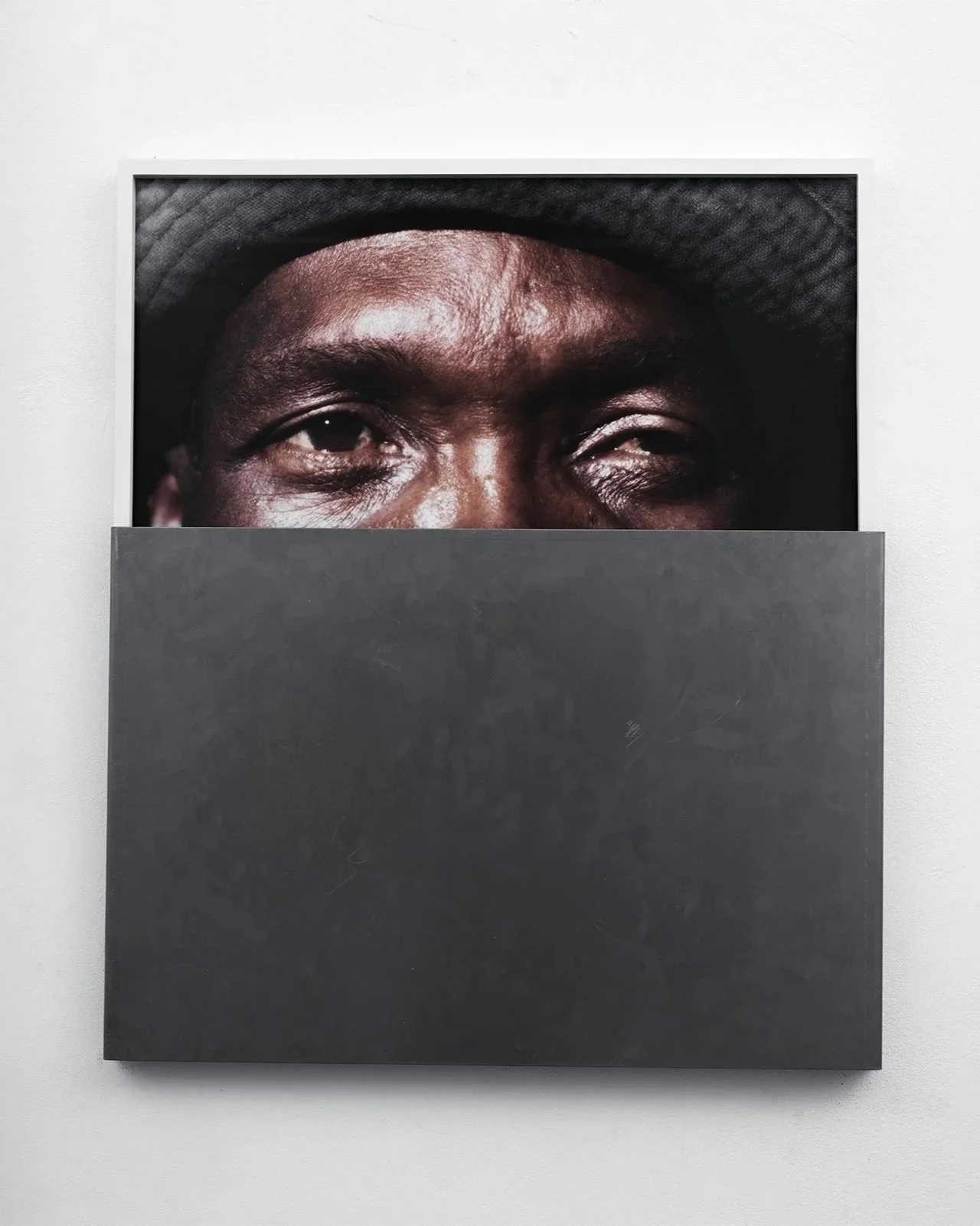
The number, Mahempe#3, 2026, photo installation, white frame, gallery glass, steel - 73×85cm
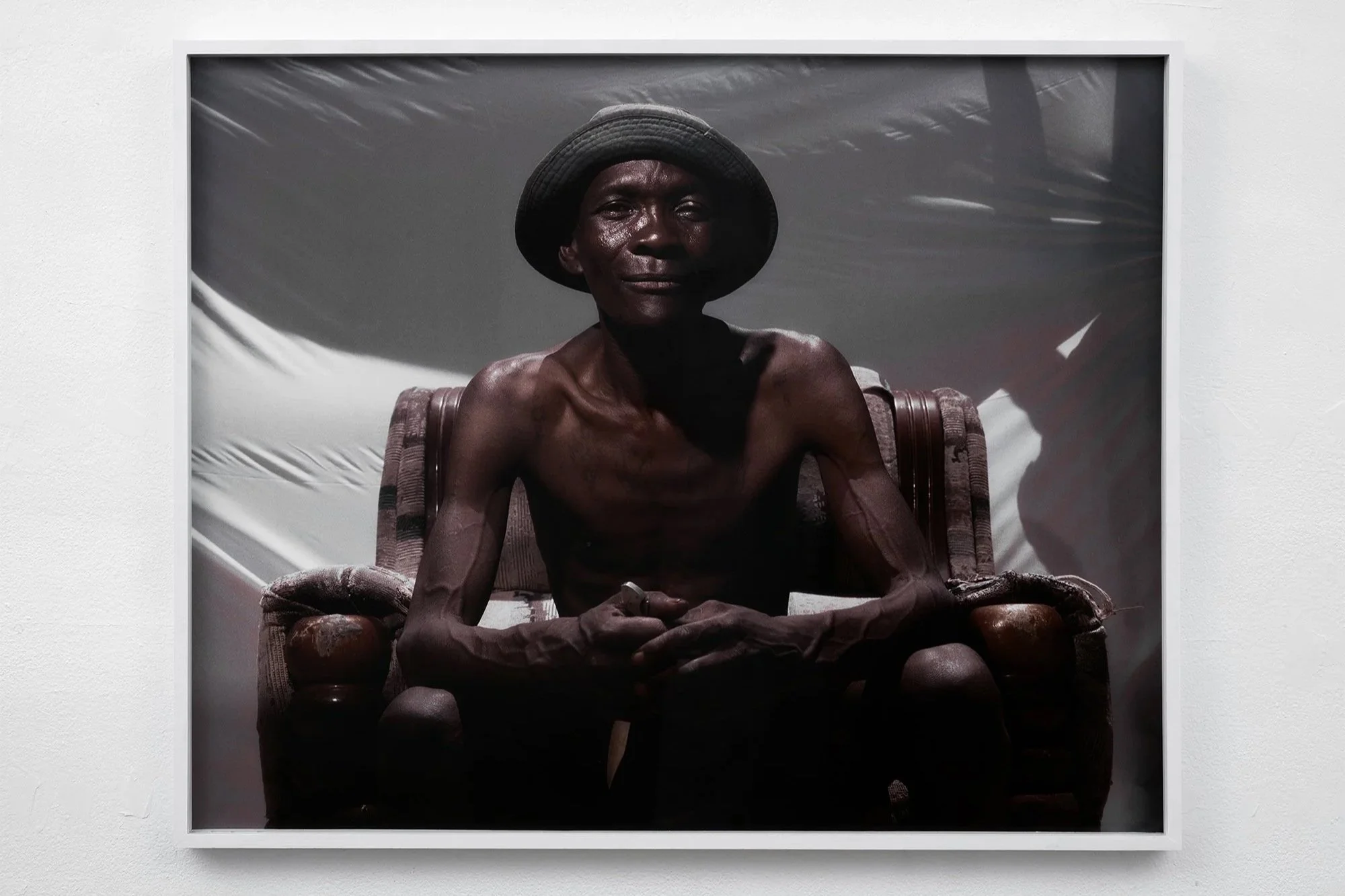
The number, Mahempe #1, 2026, photograph - 82x102cm
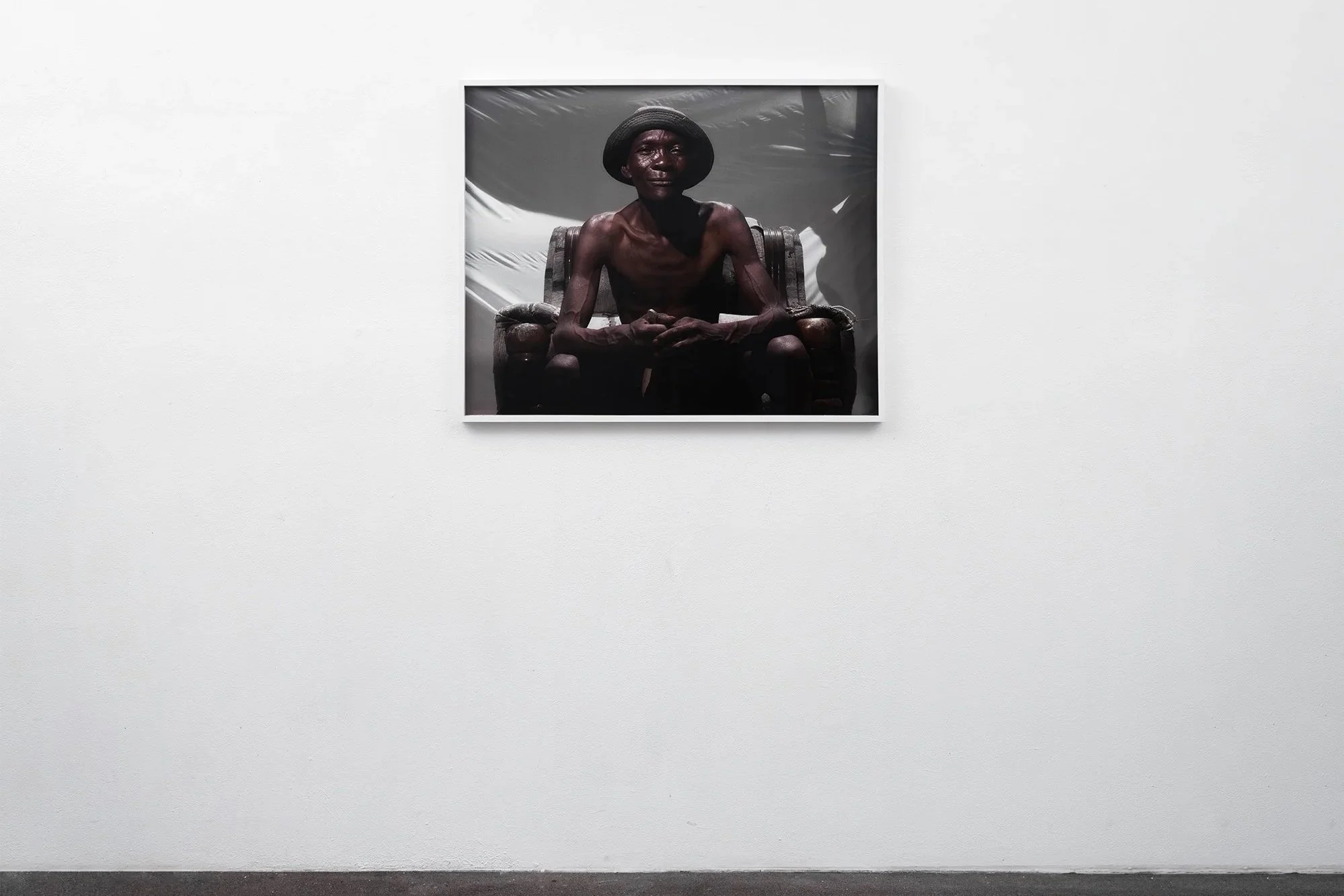
The number, Mahempe #1, 2026, photograph - 82x102cm
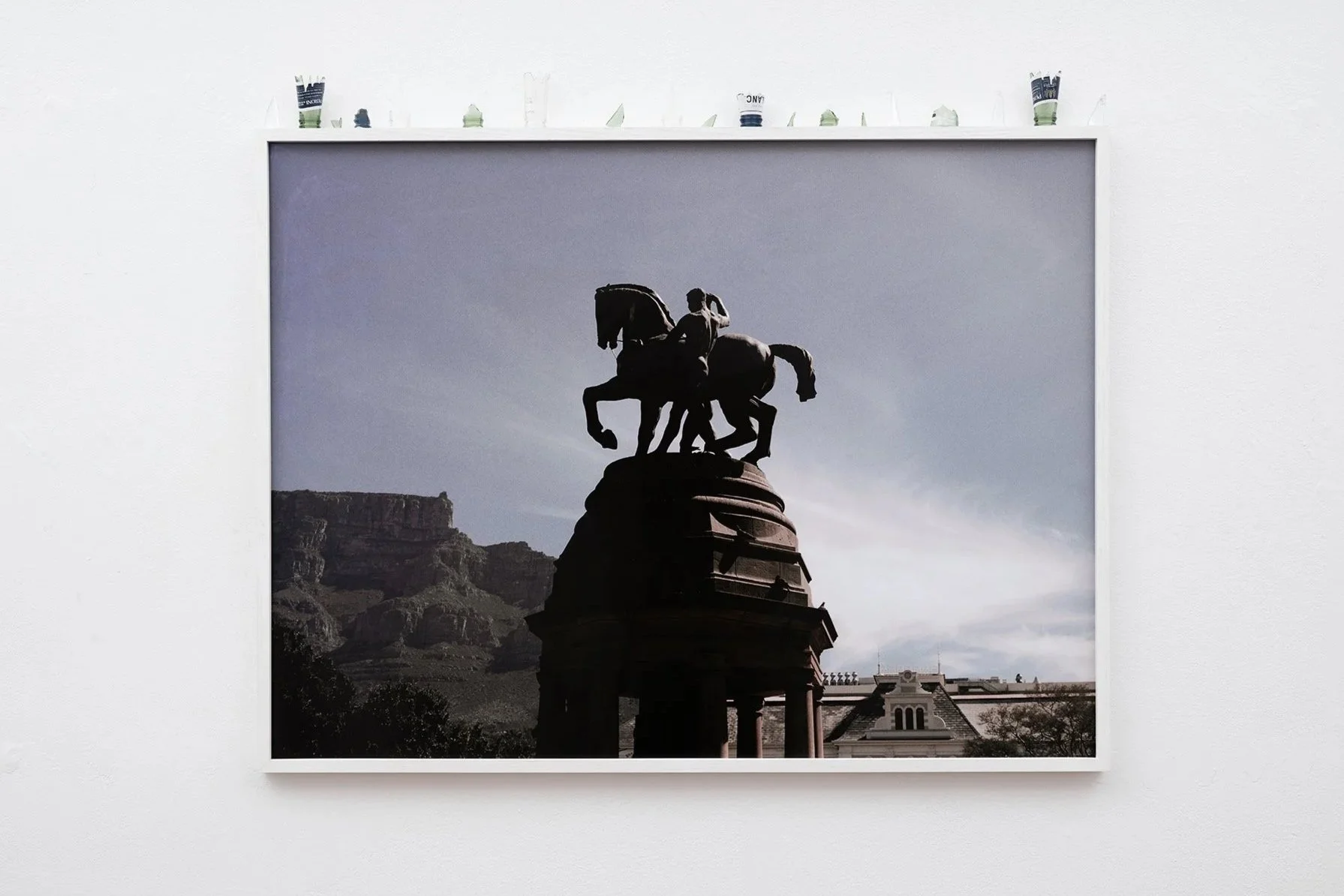
Brudda bond, photo installation, 2026- white frames,broken glass, archival print, gallery glass - 79x102cm
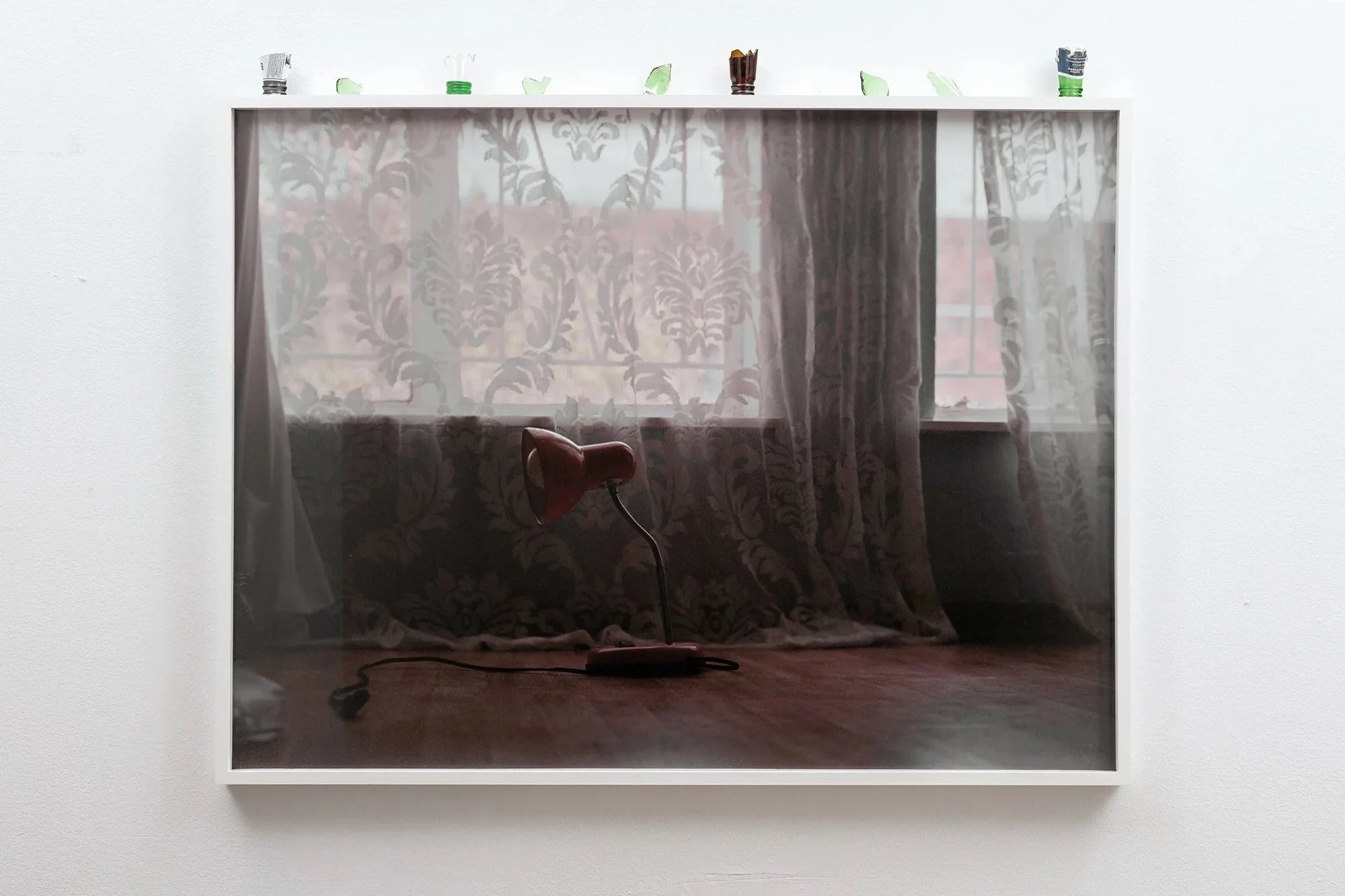
Load shedding, photo installation, 2026- white frames,broken glass, archival print, gallery glass - 79x102cm
Tekhenu (2025)
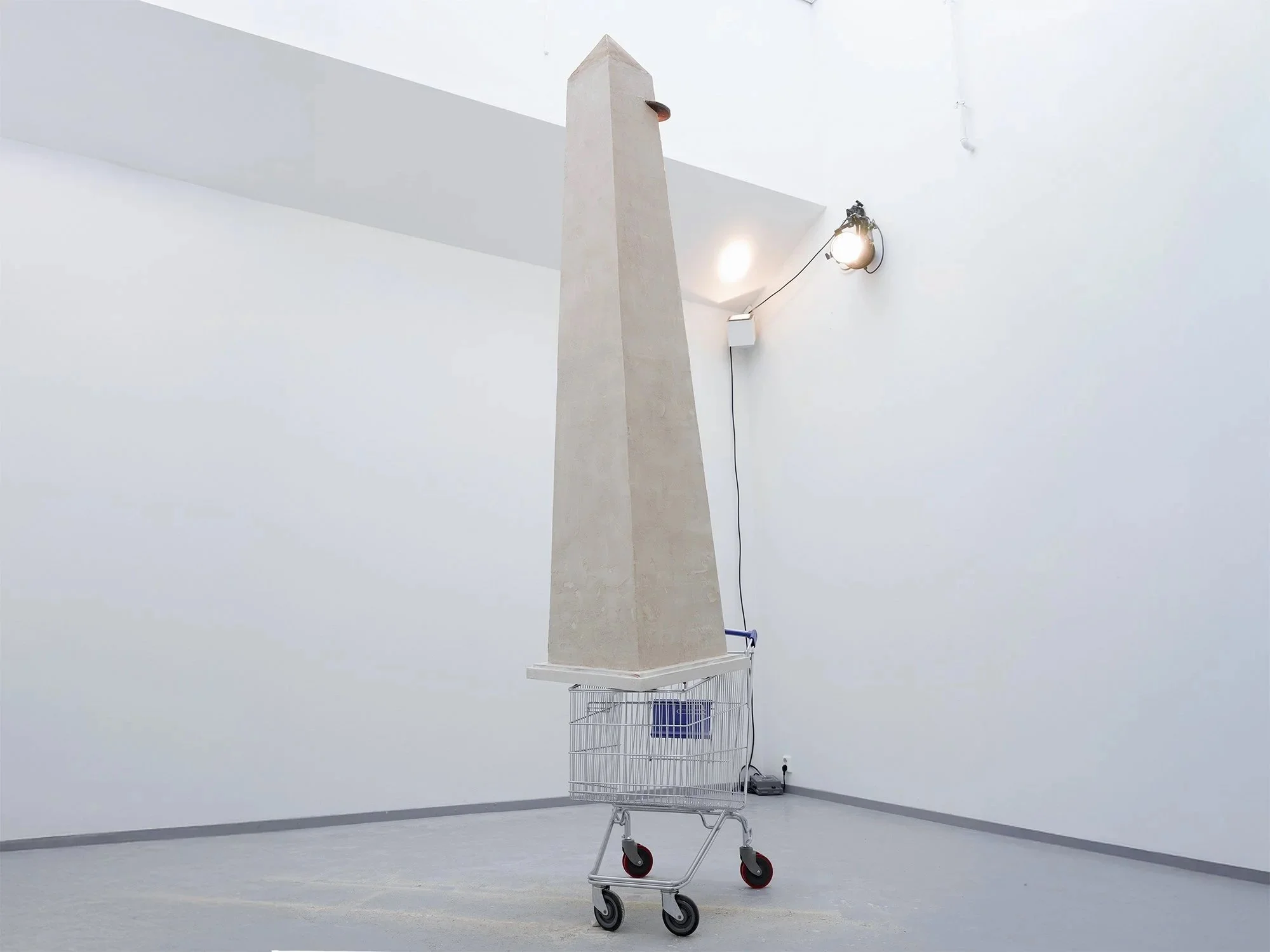
Tekhenu, wooden sculpture, discus, trolly, 2025- 80x45x340cm
Tekhenu (2025)
In Tekhenu, Thando Beau Sikawuti brings sculpture & reliefs into the exhibition space exploring themes and discourse surrounding the concept of extraction. Utallising the monumental obelisk as a center point, exploring the tactile qualities and narrative potential of the symbol in and on itself
Sikawuti made low reliefs from gypsum which serves as a metaphorical representation of the layers of history that continue to inform our present. The reliefs are portraying a lower body figure in a somewhat dance like posture. The low reliefs are contained in wooden frames which are laser engraved with hieroglyphic symbols on both sides. One side has the symbol of the sun and the other a symbol of ouroboros. These symbols are meant to represent a cyclical rhythm of law cause and effect.
Alongside the reliefs, as a center piece Sikawuti showcases a 3,4-meter sculpture installation that features an obelisk and a steel trolley, with a discus a discus striking the obelisk near its tip. The trolley symbolizes the transportation and movement of goods, a more contenmpory approach with a critical look at modern day extraction. Through these works, he aims to create a space for reflection, encouraging viewers to critically engage with the systems of power that govern extraction, both historically and in contemporary contexts.
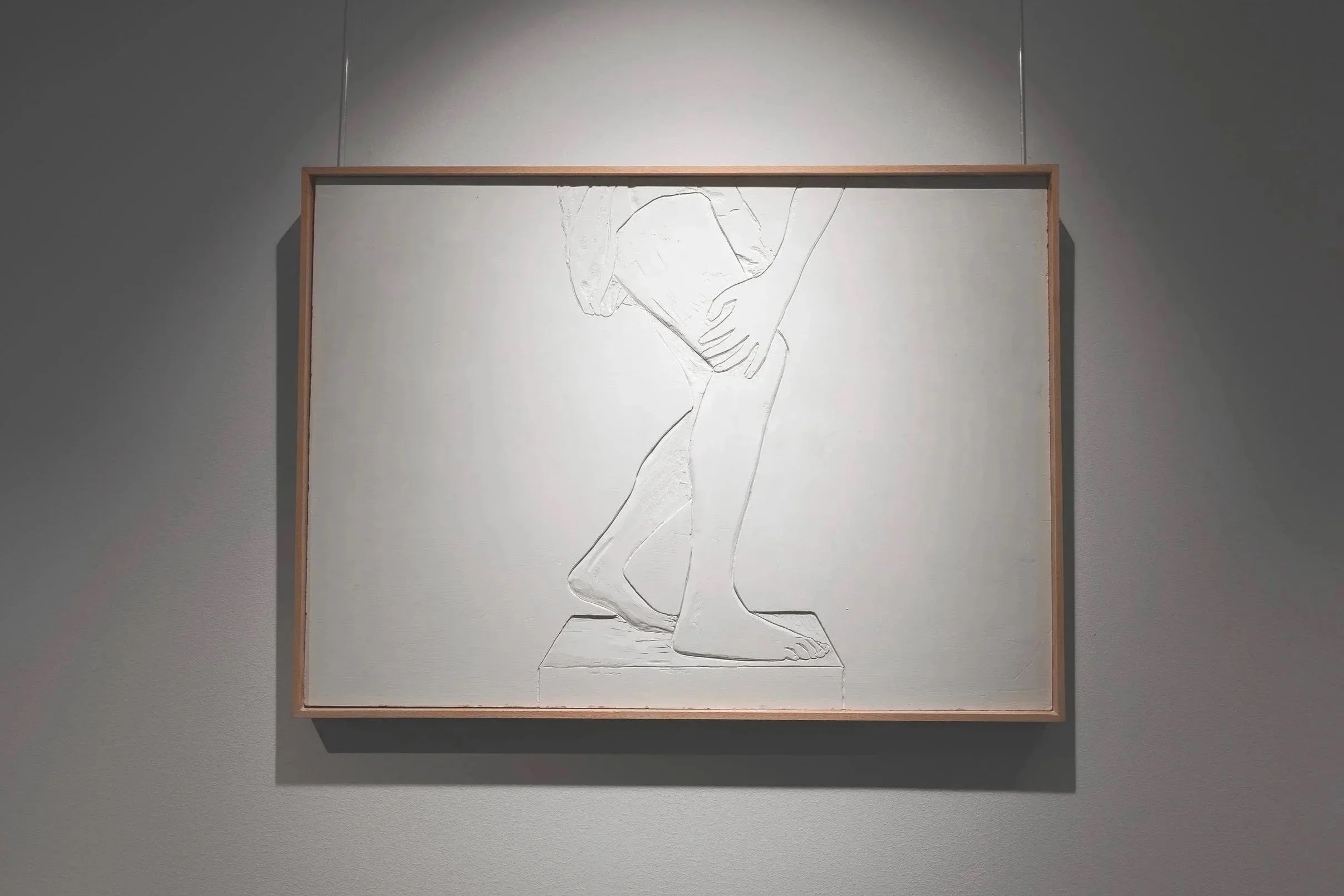
The coil, low reliefsculpture, 2025, gypsum, laser engraved birch frames -50×70cm
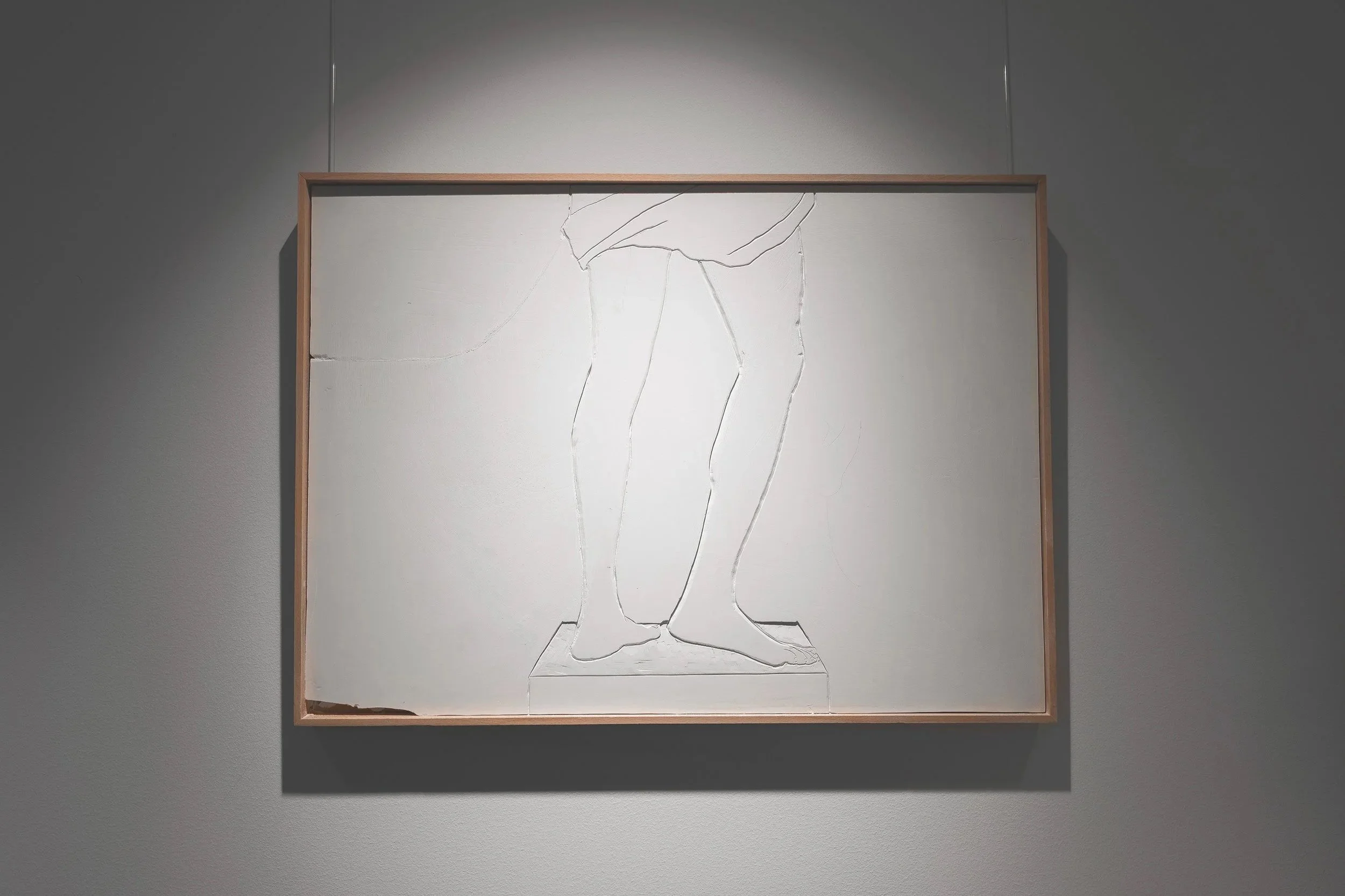
The uncoiling, low reliefsculpture, 2025, gypsum, laser engraved birch frames -50×70cm
The discus thrower (2024)
The discus thrower, short video, sound, 2024- 03:11 min
The discus thrower (2024)The Discus thrower draws direct inspiration from the ancient Greek sculpture Discobolus (the discus thrower) by Myron, created between 460 and 450 BCE.
In Sikawuti’s photographs and ultra slow motion video installation. The model is black and adopts the same iconic, dynamic stance as Discobolus, proudly presenting his natural hair and emphasizing the sculptural beauty and dignity of the Black body. Sikawuti intentionally highlights a crucial divergence from the classical source: the model is no longer holding the discus. The artist states that this absence is deliberate and deeply charged with meaning — the discus has already been hurled in an act of rage and protest against the continued unjust treatment of Black bodies.
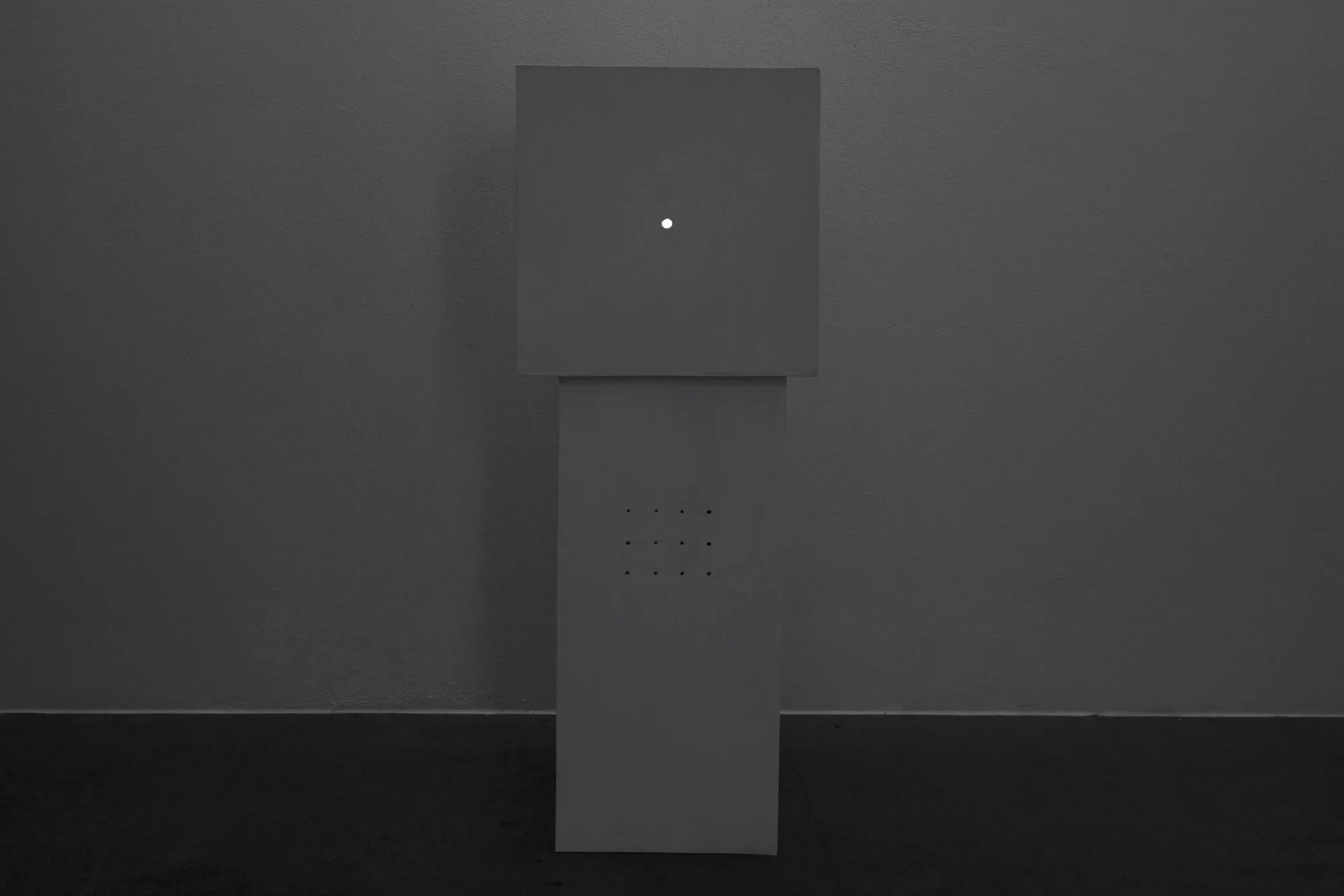
The discus thrower, video installation, 2024, size veraible, wood, video monitor
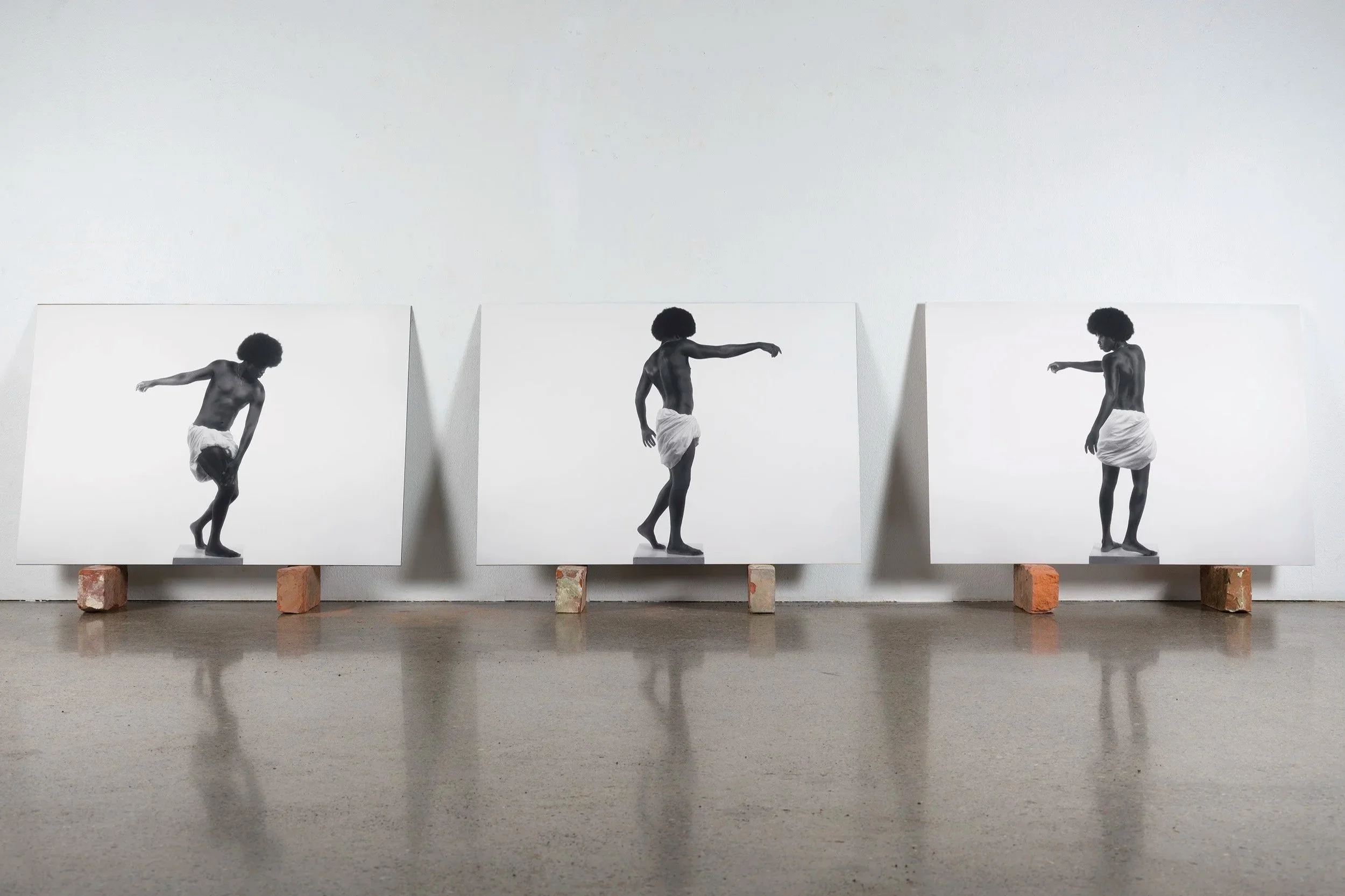
The discus thrower, photograph, 2024,100cmX70cm, archival print, ibond, bricks
The ball, video installation, 2024, analog monitor, plastic, trash, cans, syringe, size variable
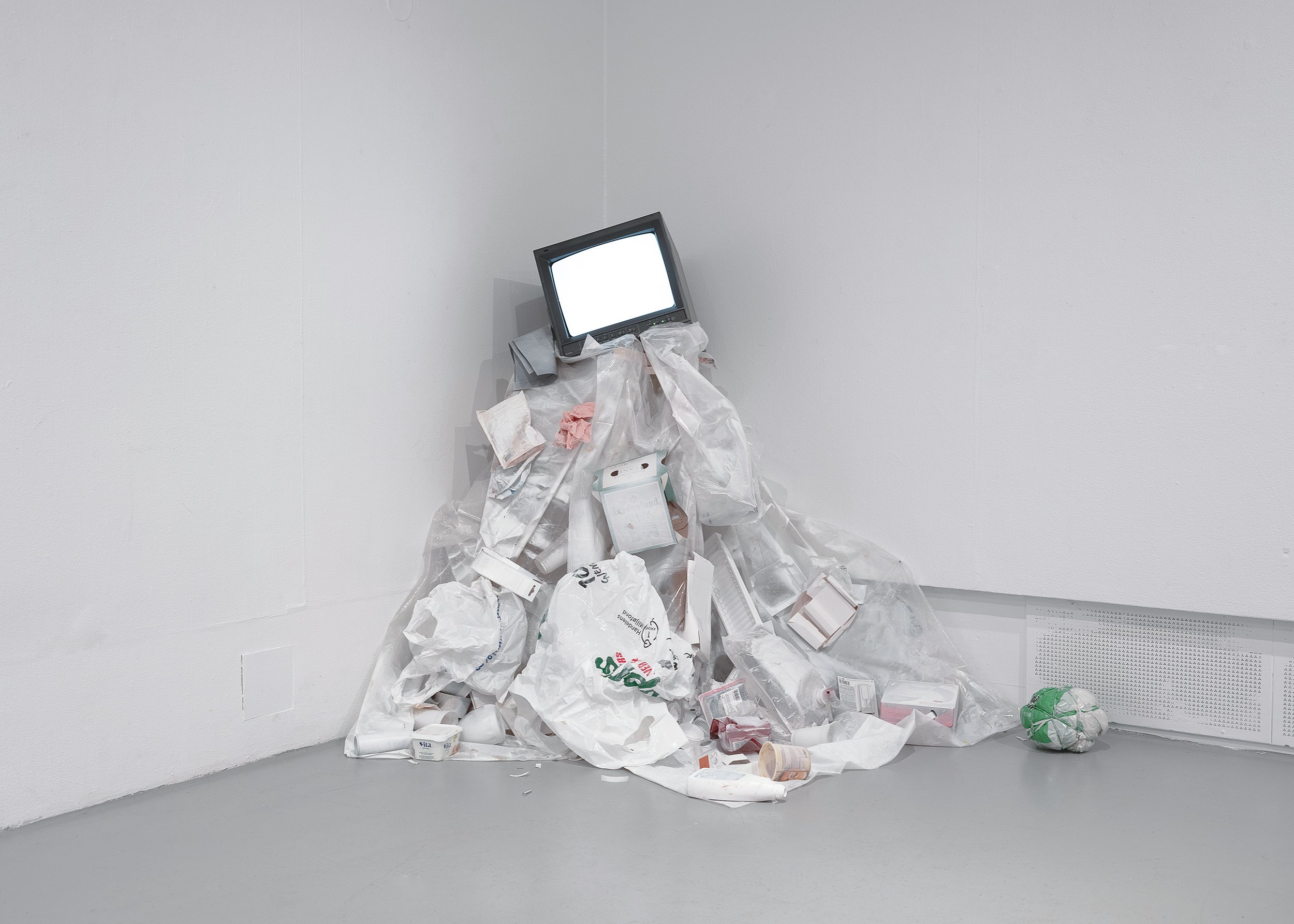
The ball, video installation, 2024, analog monitor, plastic, trash, cans, syringe, size variable
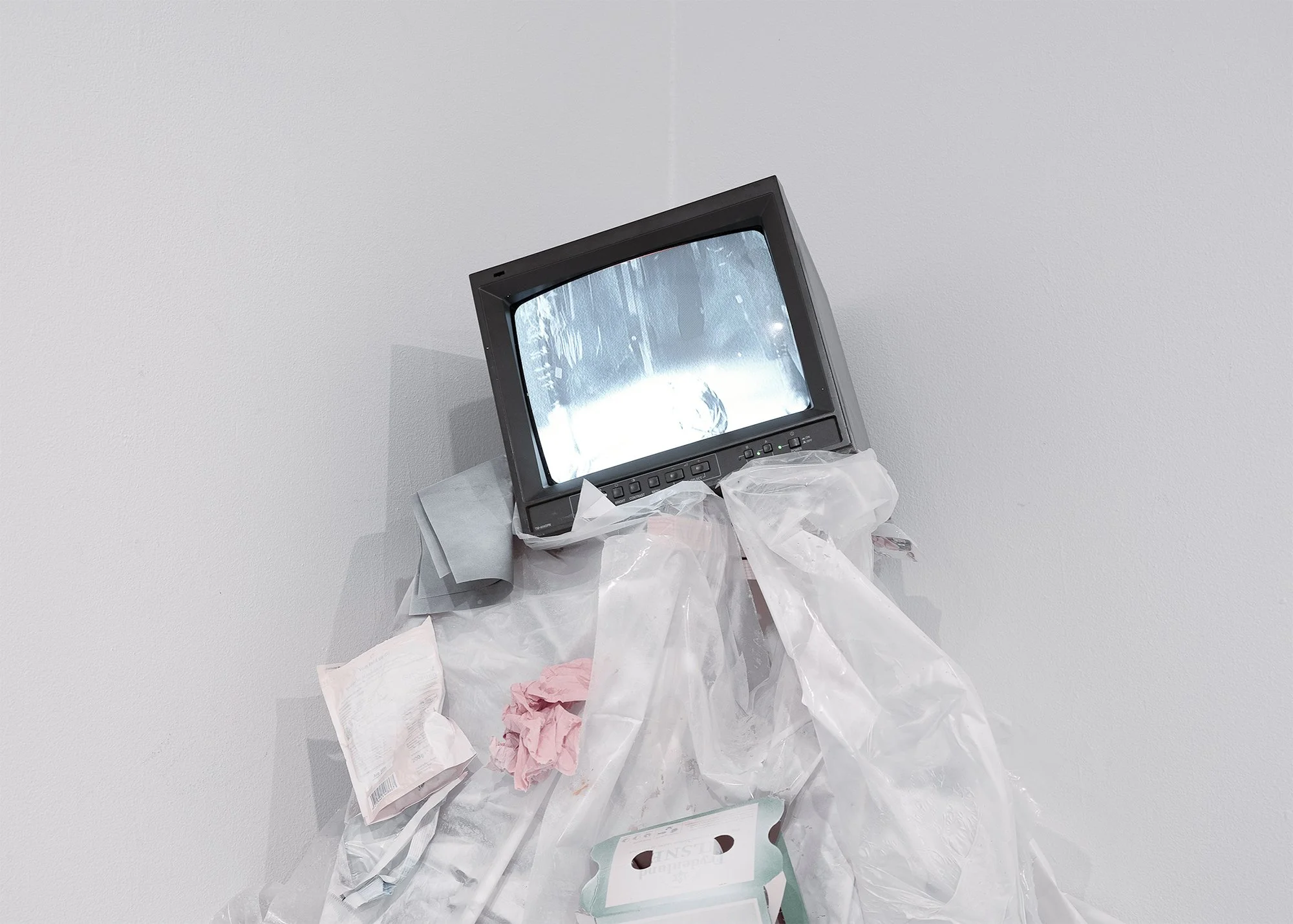
The ball, video installation, 2024, analog monitor, plastic, trash, cans, syringe, size variable
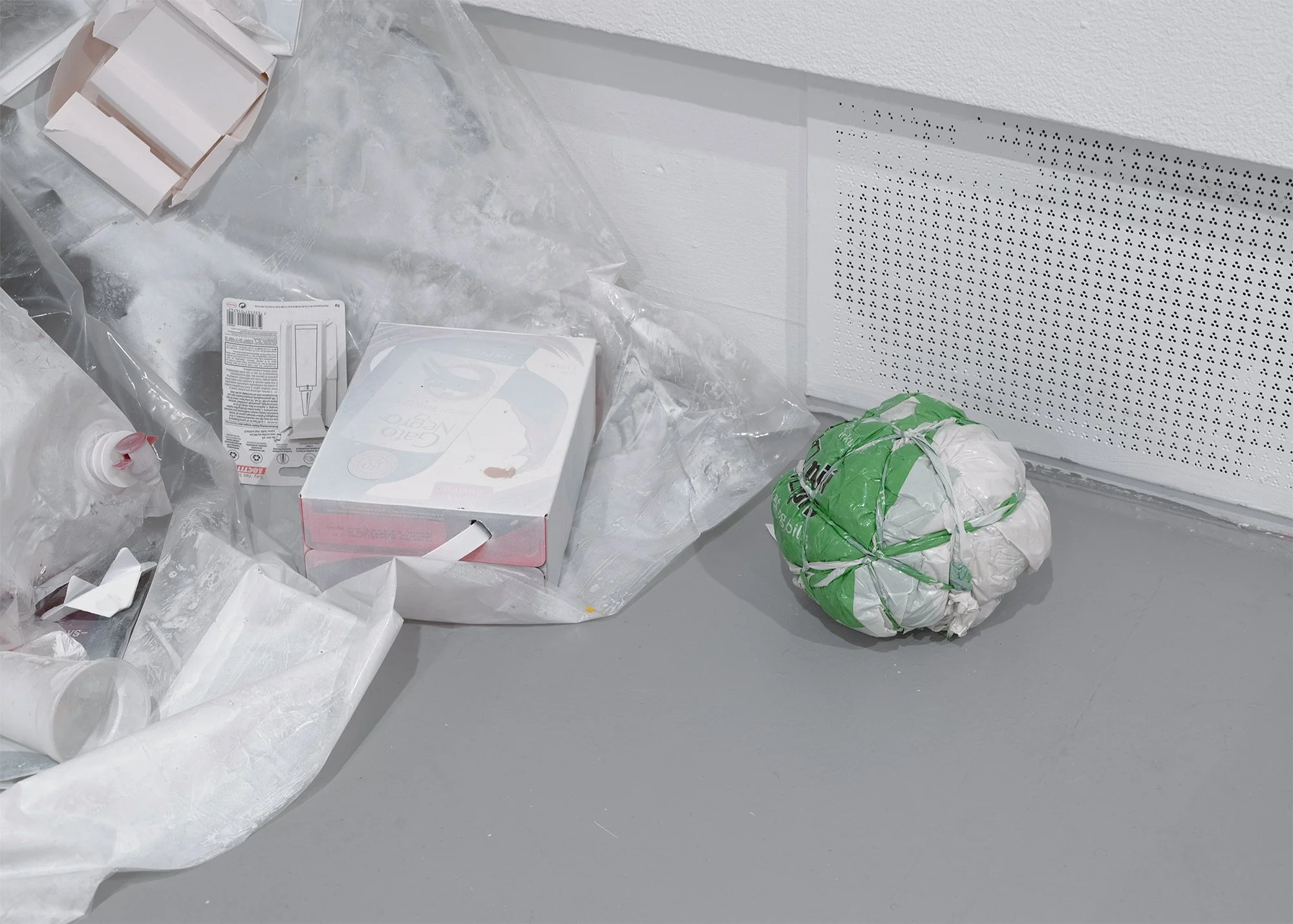
The ball, video installation, 2024, analog monitor, plastic, trash, cans, syringe, size variable